
Resources for Infants
Being a parent is a rewarding experience. It’s also one of the toughest jobs you’ll ever have.
- Enroll Your Baby in Medi-Cal
- Welcome Baby Program
- Getting to Know Your Baby
- Talking With Your Doctor
- Feeding Your Baby From Birth
- Let Your Baby Set The Pace
- Formula Feeding
- Is My Child Constipated?
- Signs Your Baby is Ready for Solid Foods
- Ready for Solid Foods? (6 Months)
- Time for Finger Foods (9 Months)
- Drinking From a Cup (9 Months)
- Playing With Your Baby
- Developmental Milestones
- Preparing for School: Little by Little
Enroll Your Baby in Medi-Cal

Ask your birthing hospital for help enrolling your baby in Medi-Cal if you are active and enrolled in Medi-Cal or Medi-Cal Access Program (MCAP) when you give birth. The Newborn Gateway program requires participating hospitals to do this within 72 hours after birth. Report the birth of your baby at benefitscal.com in the “household information” section or call your county office.
Welcome Baby
Program

The Welcome Baby Program from First 5 LA provides LA County pregnant women and new moms with information, support, and a trusted partner to help you through the journey of pregnancy and early parenthood.
Getting to Know
Your Baby
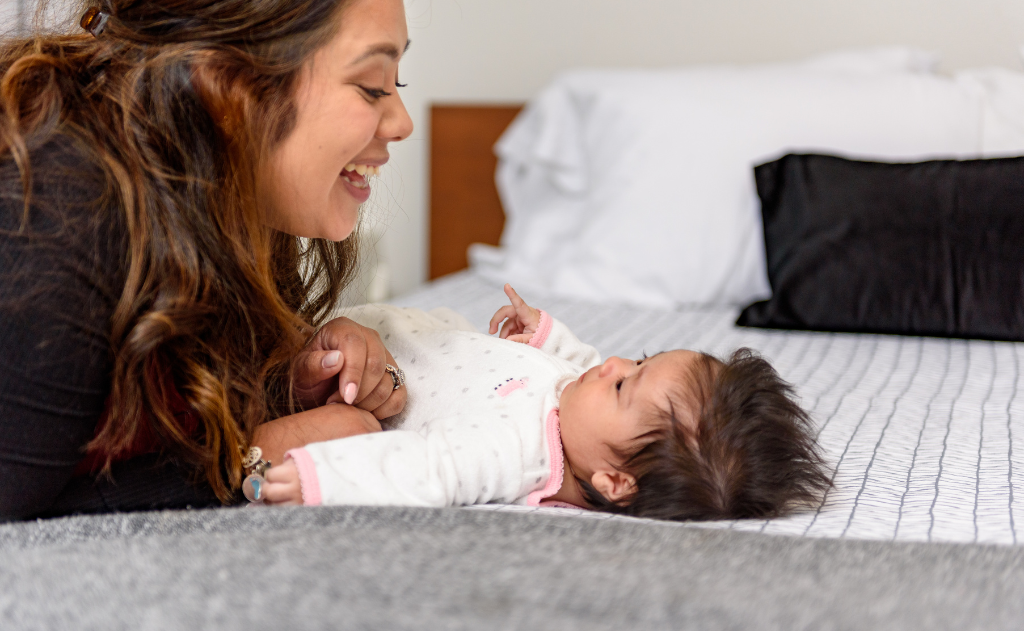
Babies cry, wake at night, and need frequent feedings. All these behaviors are normal, but can be stressful for parents. Understanding why babies do these things and how they communicate can help you feel calmer and more confident as a parent.
Talking With
Your Doctor

You probably have lots of questions about your child’s growth and development, but it can be hard to know what to ask or when. WIC staff and our guides show you the right questions to ask based on your child’s age, so you can make the most of every doctor visit. Use this quick guide to be ready for your child’s next appointment.
Feeding Your Baby From Birth
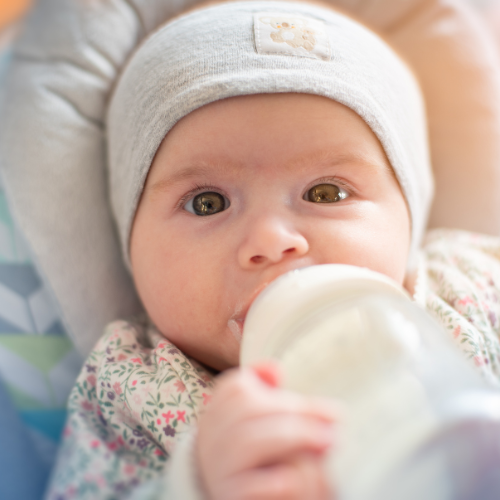
The first 6 months bring many changes for babies and their families. Feeding a new baby can feel overwhelming, and questions are common. WIC staff can provide support, answer questions, and share helpful information about infant feeding.
Let Your Baby Set The Pace
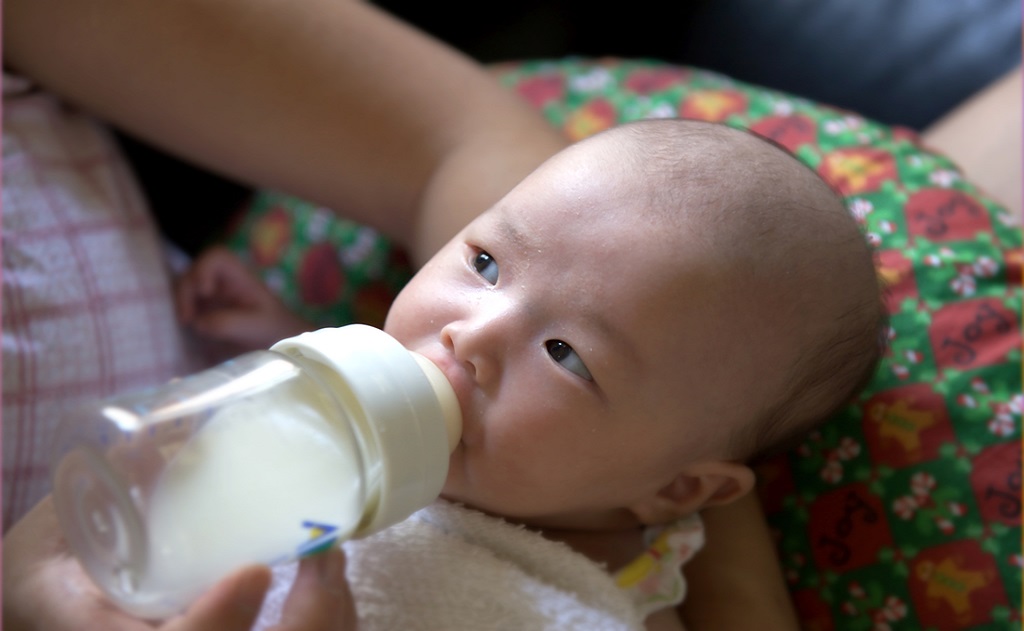
Feeding is a great time to nurture your baby. When you feed your baby at a comfortable pace, baby can let you know, “I need a break” or “I’m full”. Letting your baby set the pace means less chance of overfeeding, gas, stomach discomfort, and spitting up.
Formula Feeding
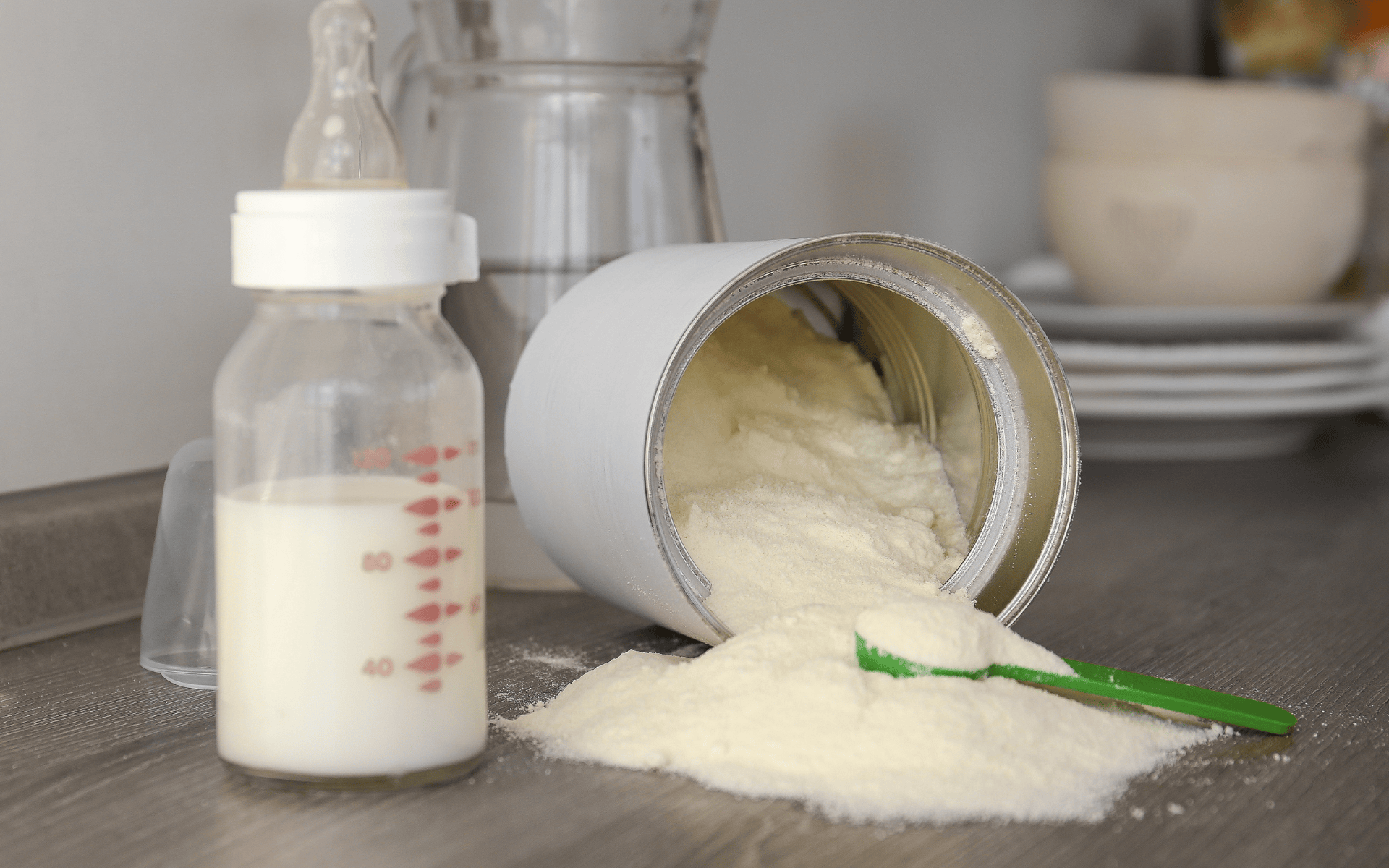
If you are feeding your baby infant formula, there are some important things to know such as how to prepare the bottles, how to mix the formula, how to feed your baby, which type of bottle to use, and how much to feed your baby. Explore the pages in our guide below.
Is My Child Constipated?

Does your child have hard, dry stools (poops) that are difficult to pass? Your child may have constipation. Learn more about signs, causes, and things you can do to help.
Signs Your Baby is Ready for Solid Foods

WIC recommends starting solid foods around 6 months. Babies who are ready to start solid foods show 5 common signs.
Ready for Solid Foods? (6 Months)
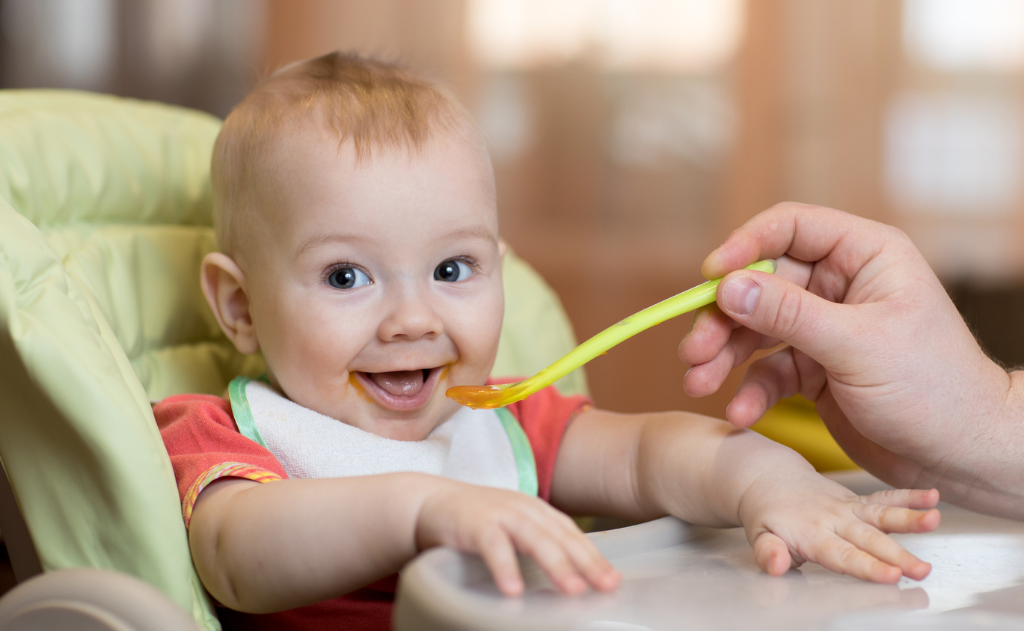
Most babies are ready to start solid foods at 6 months. Learn how to introduce solid foods to your baby and how often you should do it.
Time for Finger Foods
(9 Months)
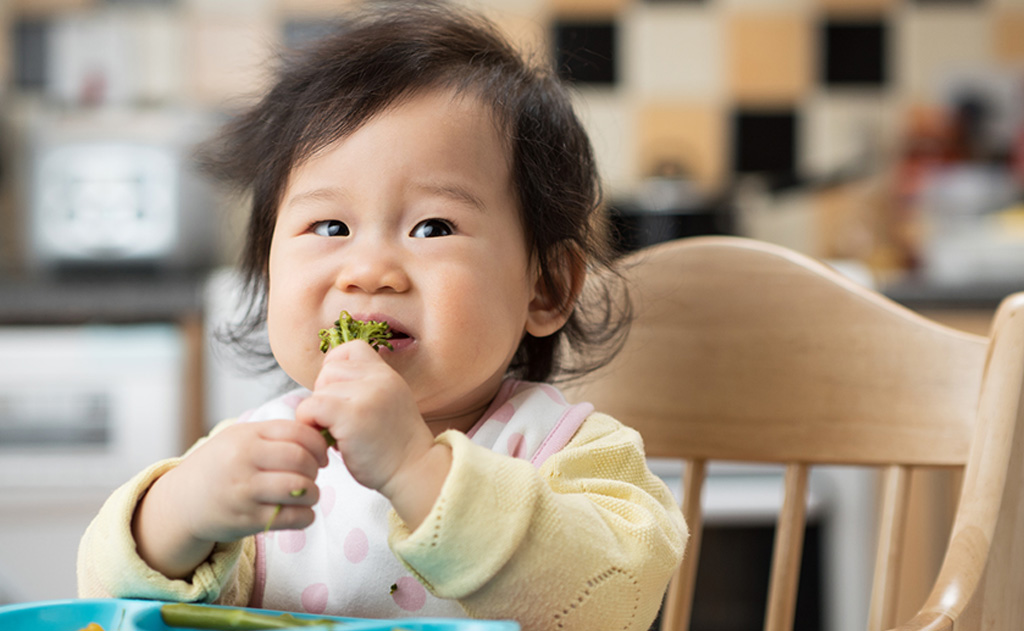
Around 9 or 10 months, babies may be ready to start feeding themselves. Learn how to teach develop your toddler’s motor skills so they can eat on their own.
Drinking From a Cup (9 Months)
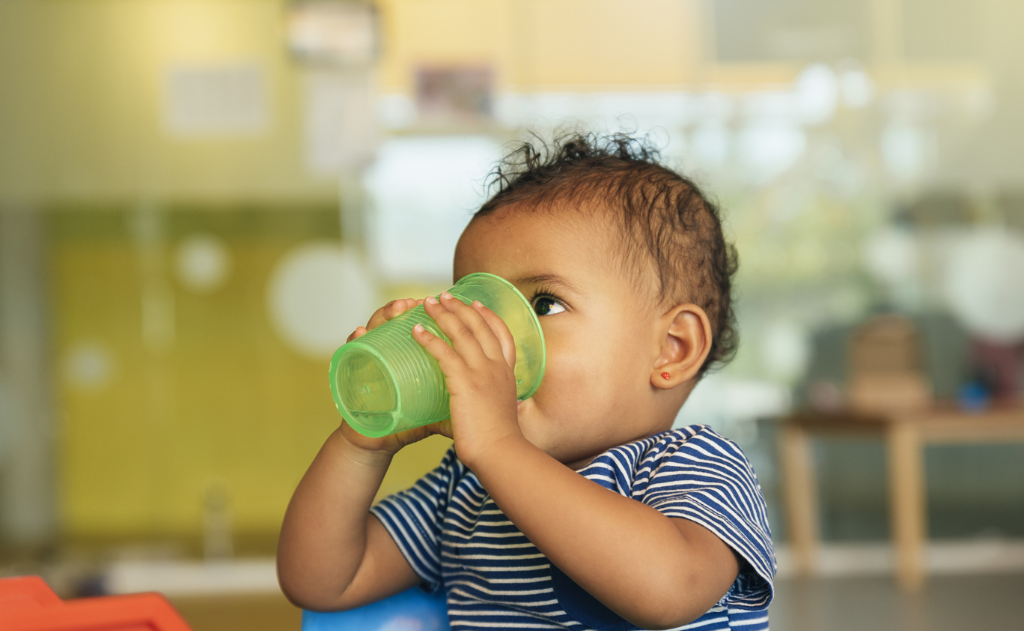
Parenting toddlers is not always easy. You can help your child learn to take sips of water, breastmilk, or formula from the cup. But remember: learning takes time! Try not to worry about spills.
Playing With Your Baby

Learning begins with play! Playing with your baby helps their brain develop during the first year. Your baby will be able to explore more as they learn to move around.
Developmental Milestones
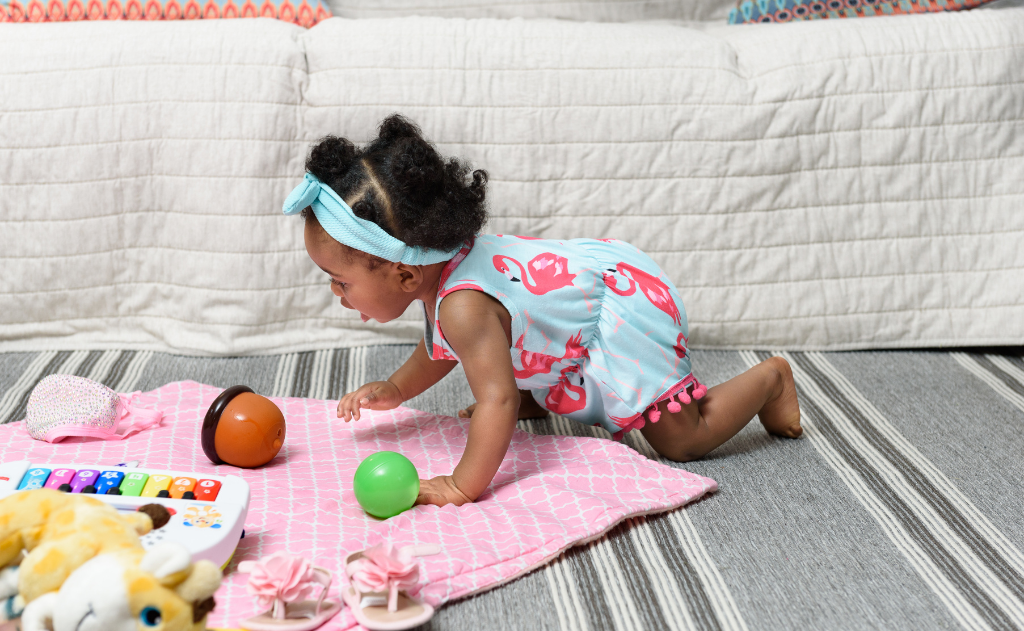
Milestones matter! How your baby plays, learns, speaks, acts, and moves offers important clues about their development. Choose a milestone checklist with your baby’s age from this list.
Preparing for School: Little by Little
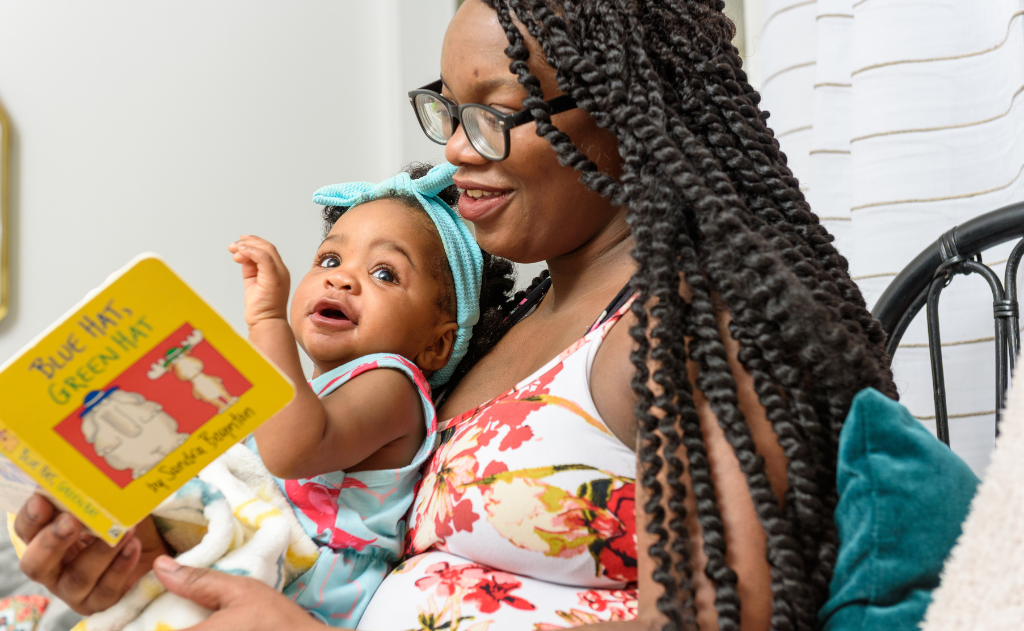
Babies are born ready to learn. They are curious, little scientists who learn from their environment. Parents may have questions. How do babies communicate? When should they take their first steps? When should I potty train? Your baby’s brain is developing at an amazing rate as soon as they’re born.
Select your child’s age below to learn about how they should be developing: